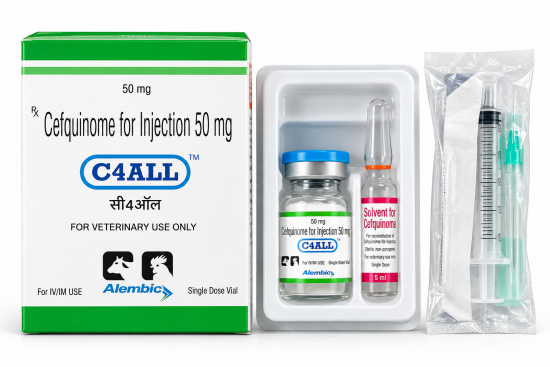
C4all 50MG INJ
This product contains active therapeutic molecules regulated under Schedule H. You can easily upload an existing veterinarian prescription during checkout, or consult a licensed vet on Rayavets in minutes.
RAYA MEDICO JUNA
RAYA MEDICO MANGLA
Customer & Veterinary Clinical Reviews
Feedback from verified pet parents, cattle owners, and treating veterinarians.
No reviews yet for this product. Verified buyers can share their experience after delivery.
Clinical Formulation & Overview
Detailed clinical formulation, active indications, administration instructions, and safety notes.
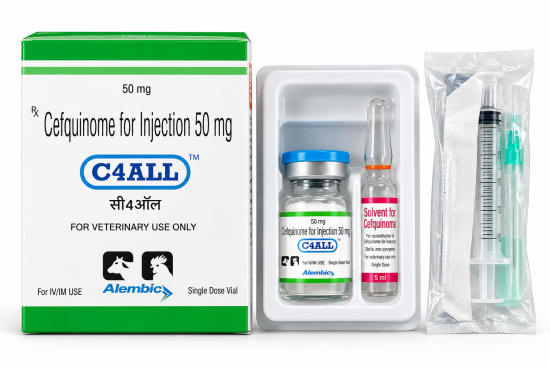
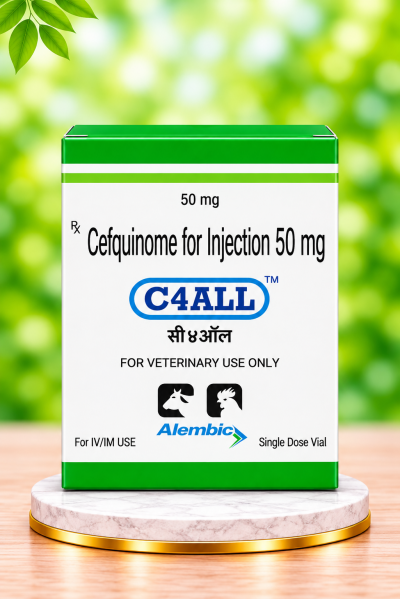
C4ALL 50 MG Injection
Manufacturer/Marketer: Alembic Animal Health
Product Type: Veterinary Injectable Antibiotic
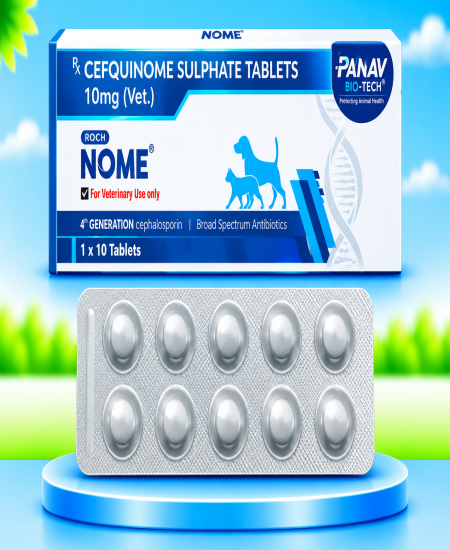
Therapeutic Class: Fourth-Generation Cephalosporin Antibiotic
Active Ingredient: Cefquinome Sulphate equivalent to Cefquinome
Target Species: The 50 mg presentation is marketed for veterinary use; Alembic’s main C4ALL livestock line covers cattle, buffalo, sheep, goats and pigs, while the 50 mg pack is also sold through veterinary channels for companion-animal use.
Pack Size: 50 MG vial.
Composition
Each vial contains:
Cefquinome Sulphate equivalent to Cefquinome — 50 MG
Cefquinome is a fourth-generation cephalosporin antibiotic. Pettivo
Clinical Description
C4ALL contains Cefquinome, a broad-spectrum bactericidal cephalosporin. It works by inhibiting bacterial cell-wall synthesis, resulting in the death of susceptible bacteria.
Cefquinome has activity against various susceptible Gram-positive and Gram-negative organisms and is intended for treatment of bacterial infections under veterinary supervision.
Indications / Recommended Uses
Depending on the species and diagnosis, C4ALL is used for susceptible bacterial infections such as respiratory infections/pneumonia, haemorrhagic septicaemia, mastitis, bacterial diarrhoea and calf scour, foot rot, dermatitis, necrobacillosis, bacterial septicaemia, and certain skin, soft-tissue or urinary infections.
Dosage & Administration
Alembic's C4ALL livestock information specifies:
Cattle & Buffalo: 1 MG/kg body weight, IM or IV.
Calves, Sheep, Goats & Pigs: 2 MG/kg body weight, IM or IV.
For dogs and cats, the exact dose, route and treatment duration should be determined by a Registered Veterinary Practitioner according to body weight, infection type and susceptibility; I would not extrapolate the livestock dose to pets.
Key Benefits
C4ALL provides broad-spectrum, fourth-generation cephalosporin antibacterial activity against susceptible organisms. It is useful where systemic injectable antibiotic therapy is clinically indicated and provides coverage for several important respiratory, gastrointestinal, mammary, skin and soft-tissue bacterial infections.
Precautions
Use only under veterinary supervision. Do not use in animals with known hypersensitivity to Cefquinome, cephalosporins, penicillins or other β-lactam antibiotics.
Whenever practical, especially in recurrent or severe infections, treatment should be based on culture and antimicrobial susceptibility testing.
Possible Adverse Effects
Cefquinome may occasionally cause local pain, swelling or tissue reaction at the injection site. Hypersensitivity reactions to cephalosporins can also occur.
Storage
Store protected from light and below 25°C; do not freeze. A veterinary C4ALL reference states that the reconstituted solution should be used immediately after preparation.
Important Warning
For veterinary use only. Prescription antibiotic. Use Cefquinome responsibly and strictly according to veterinary advice. For food-producing animals, follow the withdrawal periods stated on the specific Indian product label rather than applying withdrawal periods from another country's cefquinome product.
Rayavets Short Description
C4ALL 50 MG Injection by Alembic Animal Health is a veterinary fourth-generation cephalosporin antibiotic containing Cefquinome Sulphate equivalent to Cefquinome 50 MG per vial. It provides broad-spectrum bactericidal activity against susceptible bacterial infections. C4ALL is used under veterinary supervision for conditions including respiratory infections, bacterial septicaemia, skin/soft-tissue infections and other susceptible bacterial diseases. Dosage, route and treatment duration should be determined by a Registered Veterinary Practitioner according to species, body weight and infection.

Similar Products in PET ANTIBIOTIC
Explore related veterinary healthcare items and supplements in this category